 Skip to main content
The real impact of GreenMark on sustainability accreditation for schools
Sustainability in education is no longer a “nice to have”. Schools and multi-academy trusts are increasingly expected to demonstrate environmental responsibility, reduce carbon impact, and embed sustainability into everyday learning.
But what does that look like in practice?
For schools working towards sustainability accreditation, GreenMark goes far beyond just a certificate. It influences curriculum, estates management, staff development and long-term strategic planning, creating measurable and lasting change.
Below are the key positive and practical impacts GreenMark is having across the education sector.
1. Stronger environmental literacy across schools
One of the most immediate benefits of working towards environmental accreditation for schools is a noticeable increase in environmental awareness.
Staff often discover sustainability considerations they hadn’t previously explored, from building efficiency and waste management to biodiversity and the protection of local environmental assets.
This increased awareness filters into the classroom. Sustainability becomes embedded across subjects rather than treated as a standalone topic. Pupils see environmentally responsible behaviour modelled by staff, and climate awareness becomes part of daily school life – not just a lesson plan.
2. A clear and structured sustainability framework
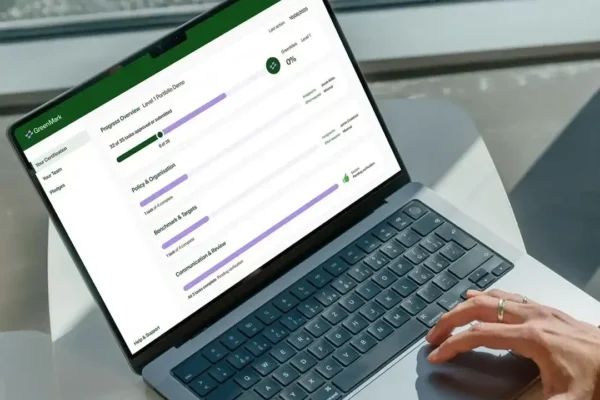
Schools consistently highlight the value of GreenMark’s structured, step-by-step approach. Rather than guessing where to begin, schools follow a coherent pathway with clear actions and measurable milestones. The tiered accreditation levels provide progression, while structured action plans help leadership teams assign responsibility and track improvement.
For headteachers and estates leads, this offers a practical roadmap for school sustainability strategies development, ensuring environmental ambition translates into operational change. Accreditation also provides credible external validation, helping schools demonstrate commitment to governors, parents and wider stakeholders.
3. Reduced waste and improved operational efficiency
Sustainability improvements frequently uncover inefficiencies in energy use, procurement, waste streams and resource management.
Even small changes such as better recycling processes, reviewing energy consumption, and reducing material waste can lead to cumulative environmental and financial benefits.
For schools managing tight budgets, this alignment between carbon reduction in schools and cost control is particularly valuable. Improvements support compliance, reduce unnecessary expenditure and strengthen long-term operational resilience.
4. A culture of shared responsibility
GreenMark encourages collaboration across teaching staff, operations teams and students. Through structured engagement and regular support, many schools establish Green Teams or student sustainability ambassadors. Environmental action becomes a shared responsibility rather than an isolated leadership initiative.
This cultural shift is critical. When sustainability becomes part of everyday conversation and decision-making, long-term change becomes sustainable in itself.
5. Increased staff confidence and professional growth
Leading sustainability initiatives often pushes staff beyond their comfort zone, in a positive way. Staff report increased confidence when training colleagues, developing action plans or analysing environmental impact data. Sustainability leadership builds transferable skills in communication, project management and strategic thinking.
For schools, this creates internal expertise and long-term capability rather than reliance on external direction.
6. Stronger reputation and community trust
Schools frequently celebrate their accreditation milestones internally and externally. Parents increasingly expect schools to demonstrate environmental awareness, and accreditation offers a credible way to evidence this.
It also connects schools to a wider sustainability-focused network, reinforcing shared ambition across the education sector.
7. Supporting long-term strategic planning
Perhaps most importantly, GreenMark supports forward planning.
Schools value the preparation for future accreditation levels and the ability to align sustainability with estates planning, curriculum development, wellbeing initiatives and partnership strategies.
Rather than being a short-term project, sustainability becomes embedded within whole-school improvement planning. positioning GreenMark as a long-term framework for continuous improvement.
What schools are saying?
“Since working towards the Green Mark, my understanding of sustainability has grown… It has helped us look more critically at our sustainability and personally pushed the boundaries of my comfort zone.”
Sarah-Jayne Luke
Chestnut Hill
“Working in partnership with Green Mark represents an accolade for us and a structured approach to moving forward… Small steps will eventually lead to a bigger impact… The weekly drop-in sessions offered an opportunity to gather round and discuss views and queries.”
Luiza Dewison
Buzz Learning
“The Green Mark has been a valuable way of exploring the environmental impact of our buildings and activities… The action plan encourages us to look into the future and look at ways to improve our awareness.”
Heather Copeland
Longdon Park School
“Thank you for your support and encouragement throughout the process… I’m pleased that in future it will be building on this foundation that we have already achieved.”
Wayne Atwell
Baston House School